The smell she associated with the farmhouse was creosote — the black tar smell of the fence posts her father used to soak every August, laid out on sawhorses behind the barn like a row of dark loaves. Forty-one years later, Marianne Holt still caught herself sniffing the air near hardware stores, chasing that smell down aisle six of the Tractor Supply outside Elkton, Maryland, and never quite finding it.
She was sixty-three, a retired school nurse, and she had exactly one asset that mattered: eighty acres of Cecil County farmland that had been in her family since 1962, with a two-story clapboard house her father built with lumber he milled himself. Her son-in-law, Derek Paulson, had been managing the property for six years — ever since her daughter Kayla married him and they'd moved into the old tenant house on the north end of the land, rent-free, "just until we get on our feet."
Derek ran a small equipment-repair business out of the barn. Marianne had let him use it because Kayla asked, because it was easier than saying no, because that's what you do for family. She signed a "farm manager" agreement in 2020 giving Derek power to handle day-to-day decisions — fuel purchases, equipment leases, contractor payments — so she wouldn't have to drive out from her condo in Newark every time a pipe burst. She trusted the paperwork the way she trusted the smell of creosote: without checking it too closely.
The trouble started with a phone call on a Tuesday in March, from a title company in Elkton asking to confirm a wire transfer for "the Holt property refinance." Marianne told them there was no refinance. The woman on the phone got quiet, then read her a parcel number that matched her own farm.
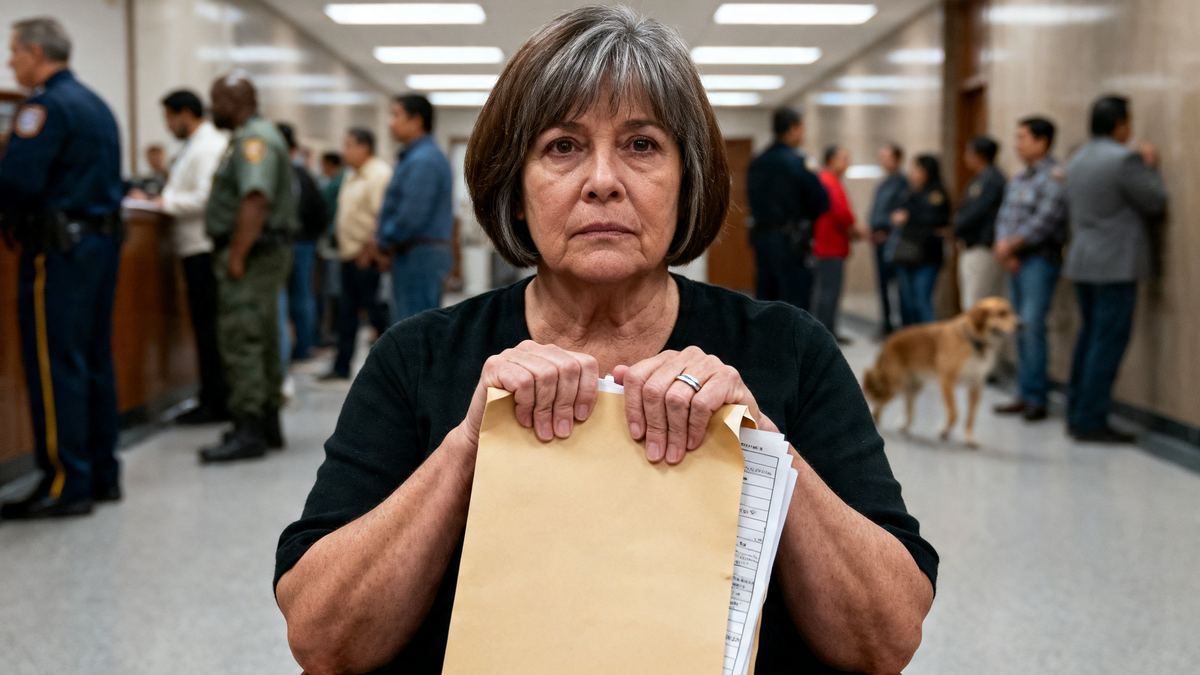
It took her four days and a trip to the Cecil County Courthouse to understand what she was looking at. In 2022, using the power-of-attorney language buried in that farm manager agreement — six pages, single-spaced, that she had signed at her kitchen table without a lawyer — Derek had filed a quitclaim deed transferring forty of the eighty acres, including the equipment barn, into an LLC he controlled. He'd since taken out a $310,000 line of credit against that half, secured by land that had been in her family for sixty years, and he was three payments behind.
She didn't call Kayla first. She called her cousin's husband, a retired county clerk named Walt Ferris, who'd warned her back in 2020 not to sign anything with "power of attorney" in the fine print without a lawyer reading it first. Walt looked at the recorded deed on the county's online portal and went quiet on the phone for a long stretch before he said, "Marianne, you need to see an attorney by Friday. Not next week."
She met the lawyer, a sharp woman named Priya Anand in a strip-mall office off Route 40, on Thursday morning. Priya spread the quitclaim deed and the LLC filing across her desk like a hand of cards and pointed to the notary stamp. "This is dated the same day you had your knee replacement," she said. "Were you home?"
Marianne had been in recovery at Union Hospital that day, doped on Percocet, signing discharge paperwork she barely remembered. She hadn't been anywhere near a notary's office in Elkton.
Priya filed for a temporary restraining order to freeze any further transfers and requested the notary's logbook. The notary — a woman who worked out of the same UPS Store where Derek mailed his equipment parts — had no record of Marianne ever appearing before her. The signature had been notarized on an affidavit Derek brought in himself, claiming he was a witness confirming Marianne's identity. It wasn't just sloppy. It was forgery, and Priya said so in the filing.
The hearing was set for a Monday in April, in the Cecil County courthouse, the same white-columned building where Marianne's parents had gotten their marriage license in 1958. Kayla showed up without Derek, sat two rows behind her mother, and didn't speak until the recess, when she found Marianne in the hallway by the water fountain.
"He said the loan was for the business," Kayla said. "For a new hydraulic lift. He said you knew."
"I didn't know," Marianne said. "I was asleep in a hospital bed, Kayla."
"I didn't know he used your signature."
"I believe you."
Derek arrived twenty minutes late, in a golf shirt with his company logo on the chest, and sat with his own lawyer, a young associate who kept flipping through a binder like he was hoping to find a different case inside it. When the judge asked him directly whether he had appeared before the notary with Marianne Holt on the date listed, Derek said, "I may have handled the paperwork on her behalf, she trusted me with the property—" and the judge cut him off and asked him to answer yes or no. He said no.
The judge granted the restraining order and referred the forgery finding to the county state's attorney for review. Derek's line of credit was called by the bank within three weeks once the lender learned the collateral deed had been voided; he had no way to pay it and no equity left to refinance against, since the land reverted to Marianne's name in county records that same month.
Marianne didn't wait for the criminal case to grind through. In May she drove out to the farm with Priya's paralegal and a locksmith from Elkton Lock & Key, a heavyset man named Gus who'd rekeyed half the farmhouses in the county and didn't ask questions. They changed the locks on the equipment barn first — the one Derek had been running his business out of rent-free for six years — then the tenant house, then the farmhouse itself, though nobody had been living there since her father died.
She kept the folder in her lap the whole drive out: the voided quitclaim deed, stamped and recorded, the sheriff's notice of eviction from the tenant house giving Derek sixty days, and a printout from the bank showing the line of credit had been closed. When Derek pulled into the gravel drive that evening in his truck and found the barn padlocked with a hasp that hadn't been there that morning, he called her twice. She let both calls go to voicemail. On the third try he texted: *We need to talk about this like adults.*
She wrote back once: *Talk to your lawyer. You have sixty days to get your equipment out of the barn.*
Kayla left him in July, moved into an apartment in Rising Sun with their daughter, and started coming out to the farm on Saturdays to help Marianne clear brush from the fence line — the same fence line their grandfather had lined with creosote posts, most of them still standing, black and solid, smelling faintly of tar whenever the August sun hit them just right. Marianne stood at the end of one row that first Saturday, breathing it in, and didn't say anything about forgiveness or family or lessons learned. She just handed Kayla a pair of loppers and pointed at a stand of sumac crowding the fence, and they got to work.